


News
Explore the latest stories and publications from NCATS and our partners, see upcoming events, or explore the variety of resources we provide to better understand translational science and our work.
News
Read the latest news from NCATS and its collaborators whose research is supported through the Center’s programs, or follow coverage of NCATS' translational research activities through national and local media.
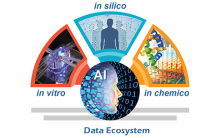
The Complement-ARIE Program Aims to Create New Models That Mimic Human Biology
October 9, 2026 - NCATS News
- 3-D Tissue Bioprinting
NCATS helps shape NIH’s Complement-ARIE program, which advances human-based NAMs to improve drug development, regulatory approval and patient outcomes.
Read Article
A Technology Development Center Uses Human-Based Models to Discover Potential Treatments for Fibrotic Diseases
October 9, 2026 - NCATS News
- 3-D Tissue Bioprinting
A multi-institute collaboration, including NCATS, is using human-based 3-D models, drug screening and AI to study fibrotic diseases and accelerate the identification of potential safe and efficacious treatments.
Read ArticlePhase Receives a $1.8m Boost for Its Blood-Brain-Barrier Model Development
March 5, 2024 - Grantee/Partner News
- 3-D Tissue Bioprinting
- Tissue Chip for Drug Screening
Several ICs Put on Show at White House Demo Day
January 19, 2024 - Grantee/Partner News
- 3-D Tissue Bioprinting
New 3-D Models Offer Insights Into the Biology of a Rare, Devastating Neurological Disease
July 28, 2023 - NCATS News
- 3-D Tissue Bioprinting
- Therapeutics for Rare and Neglected Diseases (TRND)
NCATS scientists created human cell–based models of a rare disorder, NGLY1 deficiency, to learn more about the disease’s development and biology.