


Stimulating Peripheral Activity to Relieve Conditions (SPARC)
We previously provided program management and administrative support for Stimulating Peripheral Activity to Relieve Conditions, a Common Fund program.
About SPARC
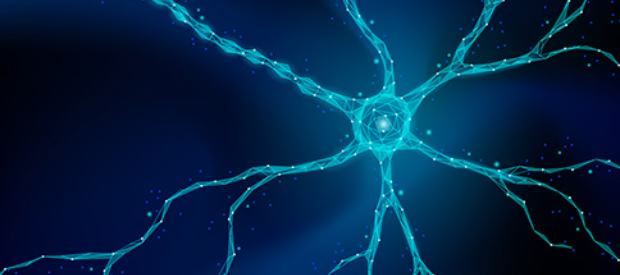
SPARC focuses on understanding peripheral nerves — nerves that connect the brain and spinal cord to the rest of the body — and how their electrical signals control internal organ function. Modulation of these electrical control signals could be a powerful way to treat such common conditions and diseases as rheumatoid arthritis and heart failure. Methods and medical devices that modulate peripheral nerve activity are becoming available, but more research is needed to fully understand how these therapies act on a target organ’s cells. Such understanding could help explain why a therapy might be effective in one individual but not in another and could potentially resolve the issue, which can make these therapies more effective.
Phase 1: SPARC researchers developed tools to map the complex highway of nerves that send signals throughout our bodies and studied how nerve activity can be modified to mitigate the effects of some diseases.
Phase 2: The SPARC program has begun Phase 2, during which it will build off the successes of Phase 1 to develop and share more data sets on the structure and function of the peripheral nervous system. Phase 2 also will include testing new therapies to treat diseases, such as hypertension, heart failure, chronic pain and gastrointestinal issues, and making technologies that modify nerve function freely available for researchers to access and use.
SPARC Program Goals
SPARC-funded investigators are working together to address the program’s aims and goals via:
- Biological projects to develop detailed anatomical and functional maps that illustrate how peripheral nerves control organ function
- Technology development projects to create or improve tools to measure and manipulate nerve–organ interactions and isolate their functions
- Partnerships between private-sector scientists and academic researchers to speed the development of new therapeutic strategies
- Expertise from many different sources, including academic laboratories, independent inventors, start-ups, small and large businesses, and international organizations
- SPARC program–developed data and tools shared through a central online resource
To achieve these goals, NIH envisions a consortium tasked with managing these four components:
- Anatomical and Functional Mapping of the Innervation of Major Organs
- Next-Generation Tools and Technologies
- Translational Partnerships for Human Functional Mapping and New Indications
- Data and Resource Center
For more information about the SPARC program, visit the NIH Common Fund website.
An NIH-Wide Initiative
SPARC is funded through the NIH Common Fund and managed by the NIH Office of the Director in partnership with the National Institute of Biomedical Imaging and Bioengineering, the National Institute of Diabetes and Digestive and Kidney Diseases, and the National Institute of Neurological Disorders and Stroke.
NCATS’ role during Phase 1 of this effort was to provide program management and administrative support, along with expertise in enabling industry collaborations. We helped the NIH Common Fund administer the awards for SPARC projects that used the Other Transactions funding mechanism. We also provided programmatic management for awards under the Translational Partnerships component.
Template agreements with several device manufacturers have made those companies’ neuromodulation technology (i.e., implantable devices with recording and/or stimulation capabilities) available to SPARC investigators. The aim is to promote preclinical development of these technologies in support of an Investigational Device Exemption submission to the U.S. Food and Drug Administration (FDA) for a future pilot clinical study. These pilot clinical studies are designed to provide the initial proof-of-concept demonstrations in humans to spur the further studies needed for pursuit of FDA approval as a labeled indication.
NCATS-Administered SPARC Projects

Find Phase 1 awarded projects via NIH Research Portfolio Online Reporting Tools (RePORT).
NIH Common Fund Programs

Extracellular RNA Communication
We participate in the NIH Common Fund’s program to investigate this new scientific field.
Illuminating the Druggable Genome
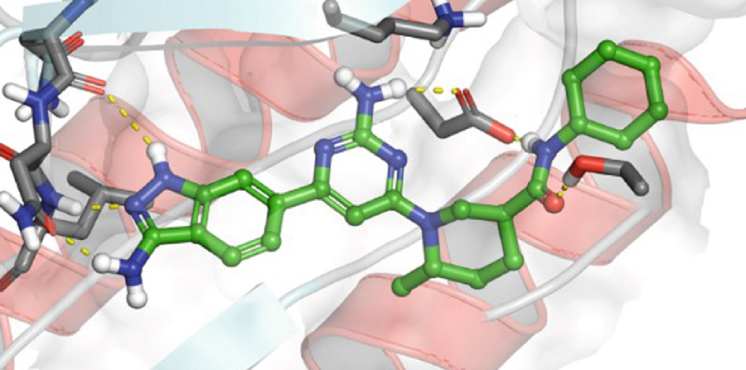
We help lead this NIH Common Fund program to study and generate resources on key targets for new therapeutic agents.
Somatic Cell Genome Editing
We help lead this NIH Common Fund program that aims to create and make available high-quality tools for safe and effective genome editing in people.