


Brain Regions React to Processed Diets in Unique Ways
May 21, 2026
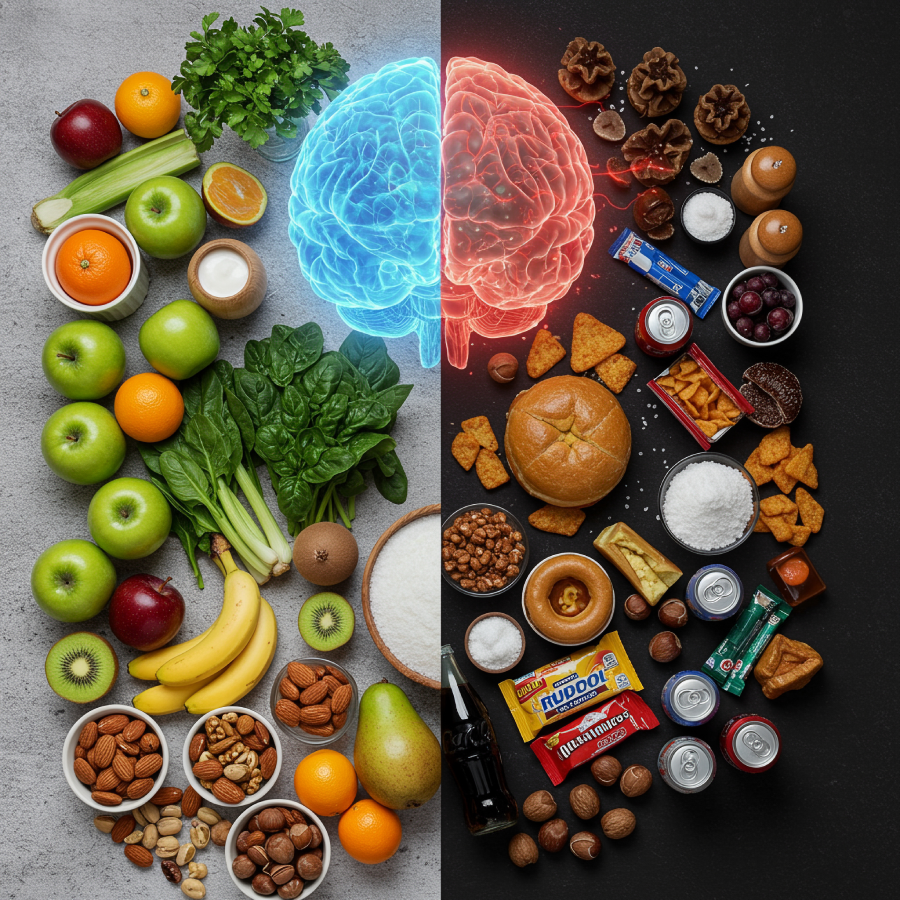
(Shutterstock)
Creating memories requires a lot of energy. Neurons — the main cell type of the brain — must communicate efficiently with one another to form and store memories. This communication can be disrupted by factors like stress, infection, aging and nutrition, ultimately contributing to memory impairment and cognitive decline.
Previous research has linked diets high in processed foods to inflammation and reduced cognitive function. However, little is known about how specific nutrients, such as fat, sugar and fiber, affect distinct brain regions and cell types involved in memory. Addressing this gap could help identify biological pathways that are vulnerable to diet and may be targets for intervention.
Ruth Barrientos, Ph.D. — associate professor at The Ohio State University Department of Psychiatry and Behavioral Health and the Institute of Brain, Behavior and Immunology — has previously shown how processed diets impair memory in older rats, a preclinical model of cognition. Building on this work, Barrientos and a collaborative team of researchers — funded by the NCATS Clinical and Translational Science Awards (CTSA) Program — investigated how processed diets differing in sugar and fat content affect brain function in both young and older male rats. The team members published their findings in Brain, Behavior, and Immunity.
To better understand how diet influences memory, the researchers examined mitochondrial function. Mitochondria are cellular structures that convert nutrients into energy, a critical process for sustaining neuronal communication. Kedryn Baskin, Ph.D., assistant professor at The Ohio State University Department of Physiology and Cell Biology, specializes in measuring how efficiently mitochondria perform this function. The team also conducted behavioral tests to assess memory performance.
The team found that in older rats, just three days of exposure to processed diets, regardless of whether they were high in sugar or fat, triggered brain inflammation and impaired amygdala-dependent memory. “The amygdala is involved in forming emotional memories. For example, a person being able to recognize a dog that bit them a couple of weeks ago,” explained Barrientos. In contrast, hippocampal-dependent memory — which supports the recall of language, spatial navigation, facts and experiences — was particularly affected by high-fat diets. Across conditions, microglia — immune cells in the brain that support neuronal health — showed the most pronounced changes.
These findings help pinpoint how diet disrupts specific biological pathways in the brain, offering insight into mechanisms that could be targeted to prevent or reverse cognitive decline. This type of mechanistic understanding is central to advancing translational science, a core focus of NCATS, which aims to accelerate the development of interventions that improve human health.
This research also aligns with broader NIH priorities, including efforts to better understand how nutrition influences health and disease and to develop strategies to address diet-related conditions that affect aging populations. “This study highlights the importance of everyday nutrition for cognition and brain function,” stated Baskin.
Notably, all the processed diets in this study lacked fiber, reinforcing its importance in maintaining brain health. Barrientos plans to investigate whether restoring fiber to processed diets can reverse memory impairments, while Baskin will examine how other dietary components and additives affect brain and muscle function. Together, this work could advance efforts to translate basic research findings into practical strategies for preventing memory impairment and improving people’s well-being.
Michael Kurilla, M.D., Ph.D., director of NCATS’ Division of Clinical Innovation, which administers the CTSA Program, stated, “Understanding how diet and nutrition impact brain functions can give individuals the tools they need to lead healthier lives.”