


News
Explore the latest stories and publications from NCATS and our partners, see upcoming events, or explore the variety of resources we provide to better understand translational science and our work.
News
Read the latest news from NCATS and its collaborators whose research is supported through the Center’s programs, or follow coverage of NCATS' translational research activities through national and local media.
Yale Co-Leads New National Consortium for Rare Skin Disorders
October 12, 2026 - Grantee/Partner News
- Our Impact on Rare Diseases
- Rare Diseases Clinical Research Network (RDCRN)
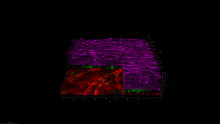
A Technology Development Center Uses Human-Based Models to Discover Potential Treatments for Fibrotic Diseases
October 9, 2026 - NCATS News
- 3-D Tissue Bioprinting
A multi-institute collaboration, including NCATS, is using human-based 3-D models, drug screening and AI to study fibrotic diseases and accelerate the identification of potential safe and efficacious treatments.
Read ArticleIrving Institute Receives Over $77 Million in Federal Funding to Expand Clinical, Translational Research
August 5, 2026 - Grantee/Partner News
- Clinical and Translational Science Awards (CTSA) Program
Intero Biosystems' Intestinal Organoid Platform Backed by SBIR
July 31, 2026 - Media Coverage
- Small Business (SBIR)
OHSU Study Identifies Link Between Caregiver-Child Relationship and ADHD Symptoms
July 31, 2026 - Grantee/Partner News
- Clinical and Translational Science Awards (CTSA) Program
Clinical and Translational Science Institute Celebrates $29 Million Award and 20 Years of Impact
July 29, 2026 - Grantee/Partner News
- Clinical and Translational Science Awards (CTSA) Program
UW study identifies genetic changes tied to more severe cognitive symptoms in schizophrenia
July 28, 2026 - Grantee/Partner News
- Clinical and Translational Science Awards (CTSA) Program
Proven Childhood Obesity Treatment Also Works at Pediatrician's Office
July 27, 2026 - Grantee/Partner News
- Clinical and Translational Science Awards (CTSA) Program