


October 9, 2026
NIH’s Common Fund logo (Source: NIH’s Common Fund)
Traditional animal models have helped bridge the gap between basic science and human medicine. However, findings from animal models are limited and do not always translate to humans — highlighting the need for human-based models. Human-based new approach methodologies (NAMs) are laboratory- and computer-based models designed to mimic and predict how the human body responds to new drugs. The Complement Animal Research in Experimentation (Complement-ARIE) program develops, validates and uses human-based NAMs to transform basic, translational and clinical research, with the goal of increasing the number of successful treatments and improving patient outcomes.
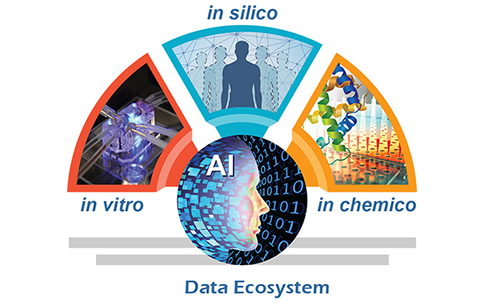
The Complement-ARIE program has funded eight technology development centers (TDCs) to create combinatorial human-based NAMs. Combinatorial NAMs combine features from multiple NAMS models to overcome the limitations of any single model. These TDCs focus on a broad range of diseases — including cardiac, musculoskeletal, gastrointestinal and female reproductive diseases. Program Officer for NCATS’ Office of Special Initiatives and Co-Coordinator for the Complement-ARIE program Christine Happel, Ph.D., highlighted that the TDCs support many NIH priorities — including rigor and reproducibility, the training of future scientists, and advancing research on chronic diseases.
In addition, the Complement-ARIE program launched the Validation and Qualification Network (VQN), which aims to speed regulatory approval and broaden adoption of NAMs. The VQN — made up of 63 public and private organizations — brings together researchers, regulators and other partners to support the widespread use of these models. As Happel emphasized, input from developers, users and federal partners is key: “We don’t want to develop NAMs in a silo.”
Complement-ARIE is a NIH-wide program. The Complement-ARIE workgroup that helped direct strategic planning efforts included staff from 21 NIH institutes and centers. Planning for the Complement-ARIE program spanned several years and included public listening sessions and an interagency meeting with federal partners to identify high-priority areas for NAM development and opportunities for collaborations. NCATS played a key role in designing the program and supporting its development before it was approved on January 25, 2024. NCATS now co-manages the program with the National Institute of Environmental Health Sciences and the NIH Common Fund.
For more information, visit the Complement-ARIE program webpage.